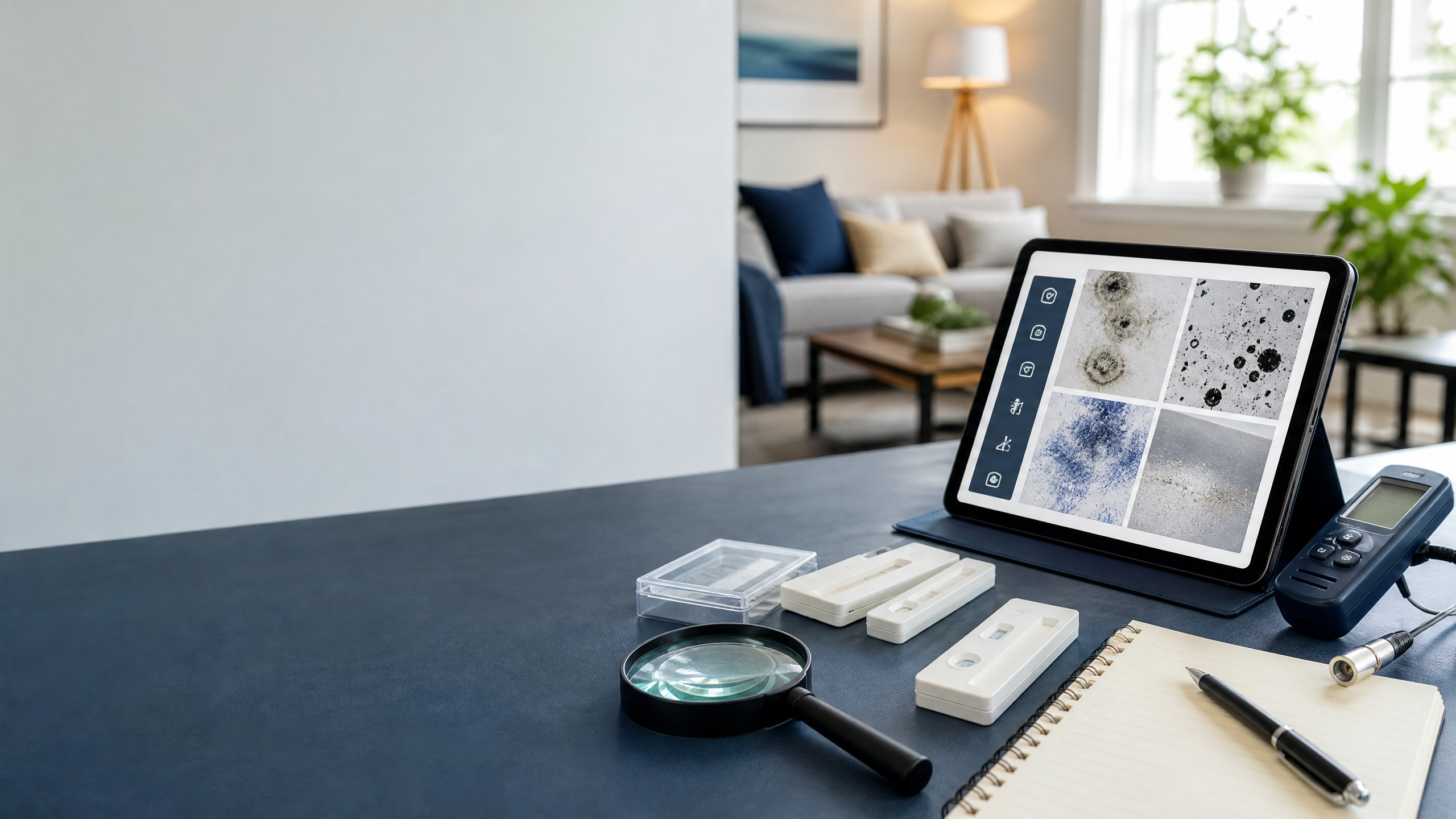
Understanding Radon: The Invisible Threat in Michigan Homes
Radon is a naturally occurring radioactive gas that forms from the decay of uranium in soil and rock. What makes radon particularly dangerous is that you cannot see, smell, or taste it. According to the Michigan Department of Environment, Great Lakes, and Energy (EGLE), one in every four Michigan homes is expected to have radon levels that exceed the recommended federal action level.
This statistic is alarming because radon exposure is the second leading cause of lung cancer in the United States, responsible for approximately 21,000 deaths annually. Only smoking causes more lung cancer deaths.
What is the EPA Action Level for Radon?
The U.S. Environmental Protection Agency (EPA) has established an action level of 4 picocuries per liter (pCi/L) for indoor radon. If your home tests at or above this level, the EPA recommends taking action to reduce radon concentrations.
It's important to understand that there is no "safe" level of radon exposure. The EPA notes that radon levels below 4 pCi/L still pose some risk, and homeowners may choose to mitigate even at lower levels.
Why Michigan Homes Are at Risk
Michigan's geology contributes to elevated radon levels in many areas. Radon is produced from uranium deposits in soil and rock, and certain geological formations in Michigan contain higher concentrations of these materials. The gas moves through the ground and can enter homes through cracks in foundation floors and walls, construction joints and gaps, openings around pipes and wires, sump pump pits, and well water in some cases.
Because radon levels can vary significantly from home to home—even neighboring houses can have vastly different readings—the only way to know your home's radon level is to test.
How Radon Testing Works
Professional radon testing follows standards established by the American Association of Radon Scientists and Technologists (AARST) and the National Radon Proficiency Program (NRPP). Testing should be conducted under "closed-house conditions" for accurate results.
Short-term testing uses devices placed in the home for 2-7 days. These tests provide a snapshot of radon levels and are useful for initial screening or real estate transactions.
Long-term testing spans 90 days or more and provides a more accurate picture of year-round average radon levels, accounting for seasonal variations.
According to Michigan EGLE, testing should be conducted in the lowest livable level of the home, at least 3 feet from windows, exterior doors, or other openings, at least 20 inches above the floor, and away from drafts, high heat, and humidity.
When Should You Test for Radon?
The Michigan Indoor Radon Program recommends testing every two years because homes settle over time, new cracks form in foundations, and radon levels can change. You should also consider testing when buying or selling a home (often combined with a comprehensive home inspection), after major renovations especially to the foundation, after installing a radon mitigation system to verify effectiveness, and if you've never tested your current home.
Radon Mitigation: Reducing Elevated Levels
If testing reveals radon levels at or above 4 pCi/L, a radon mitigation system can effectively reduce concentrations. The most common approach is Active Soil Depressurization (ASD), which uses a fan and piping system to draw radon from beneath the foundation and vent it safely above the roofline.
Professional mitigation systems can typically reduce radon levels by up to 99%, often bringing them below 2 pCi/L. The cost of mitigation varies based on home size and construction but typically ranges from $800 to $2,500.
Protect Your Family: Take Action Today
Radon testing is simple, affordable, and could save lives. As the Michigan EGLE emphasizes, testing is the only way to know if your home has elevated radon levels. January is National Radon Action Month, making it an ideal time to schedule a professional radon test.
For professional radon testing in Michigan, contact Lakepointe Inspections at 586-330-0100. We serve homeowners throughout Southeast Michigan, including St. Clair Shores, Detroit, Warren, and Sterling Heights. Our certified technicians use continuous radon monitors that meet AARST-NRPP standards, providing accurate 48-hour measurements with detailed reporting. Request a quote today to schedule your test.
Share this article
Need Professional Testing?
Lakepointe Inspections provides certified environmental testing and property inspections throughout Michigan. Contact us for accurate, unbiased results.