Lead Paint Testing
in Michigan
Certified lead paint inspections and risk assessments for pre-1978 homes and commercial properties across Southeast Michigan. EPA RRP compliance documentation and clearance testing available.
Lead Paint in Michigan Homes
The federal government banned lead-based paint in residential housing in 1978. Michigan's housing stock, particularly in Detroit, Flint, and the older suburbs of Macomb and Wayne County, includes a high concentration of pre-1978 homes. Many of these properties still contain lead-based paint on interior and exterior surfaces.
Lead exposure is a serious public health concern, particularly for children under 6 and pregnant women. Lead poisoning causes irreversible neurological damage, learning disabilities, and behavioral problems. Michigan has elevated blood lead level rates in children compared to the national average, driven in part by deteriorated lead paint in older housing.
The EPA's Renovation, Repair, and Painting (RRP) Rule requires contractors working in pre-1978 homes to be certified and use lead-safe work practices. A lead inspection before renovation protects your family, informs your contractor, and documents compliance.
Health Fact: There is no safe level of lead exposure for children. Even low levels of lead in blood have been shown to affect IQ, attention, and academic achievement.
Pre-1978
Homes at risk for lead paint
What Your Lead Report Includes
A complete, actionable report that meets EPA, HUD, and Michigan EGLE requirements.
XRF or Paint Chip Analysis
Non-destructive XRF (X-ray fluorescence) testing or paint chip sampling submitted to an accredited laboratory for lead content analysis.
Component-by-Component Inventory
Each tested surface documented with location, substrate, condition, and lead concentration results.
EPA RRP Compliance Guidance
Clear documentation of which surfaces trigger EPA Renovation, Repair, and Painting Rule requirements for your contractor.
Risk Assessment (Optional)
Full risk assessment identifies lead hazards including deteriorated paint, lead dust, and lead-contaminated soil — required for HUD-funded projects.
Clearance Testing
Post-renovation dust wipe sampling to confirm lead-safe work practices were effective and the property is safe for re-occupancy.
Regulatory Documentation
Reports formatted to meet EPA, HUD, and Michigan EGLE requirements for disclosure, compliance, and contractor use.
Who Needs Lead Testing?
Homeowners Renovating Pre-1978 Homes
Testing before renovation identifies which surfaces require EPA RRP precautions and protects your family during construction.
Property Buyers
Due diligence testing for pre-1978 homes. Know what you're buying before closing, not after.
Restoration & Renovation Contractors
Required documentation for EPA RRP compliance. We provide fast turnaround to keep your project on schedule.
Property Managers & Landlords
Lead disclosure compliance, risk assessments for HUD-assisted housing, and clearance testing after maintenance work.
How It Works
Schedule
Call or submit a quote request. We typically schedule within 24–48 hours.
Inspection
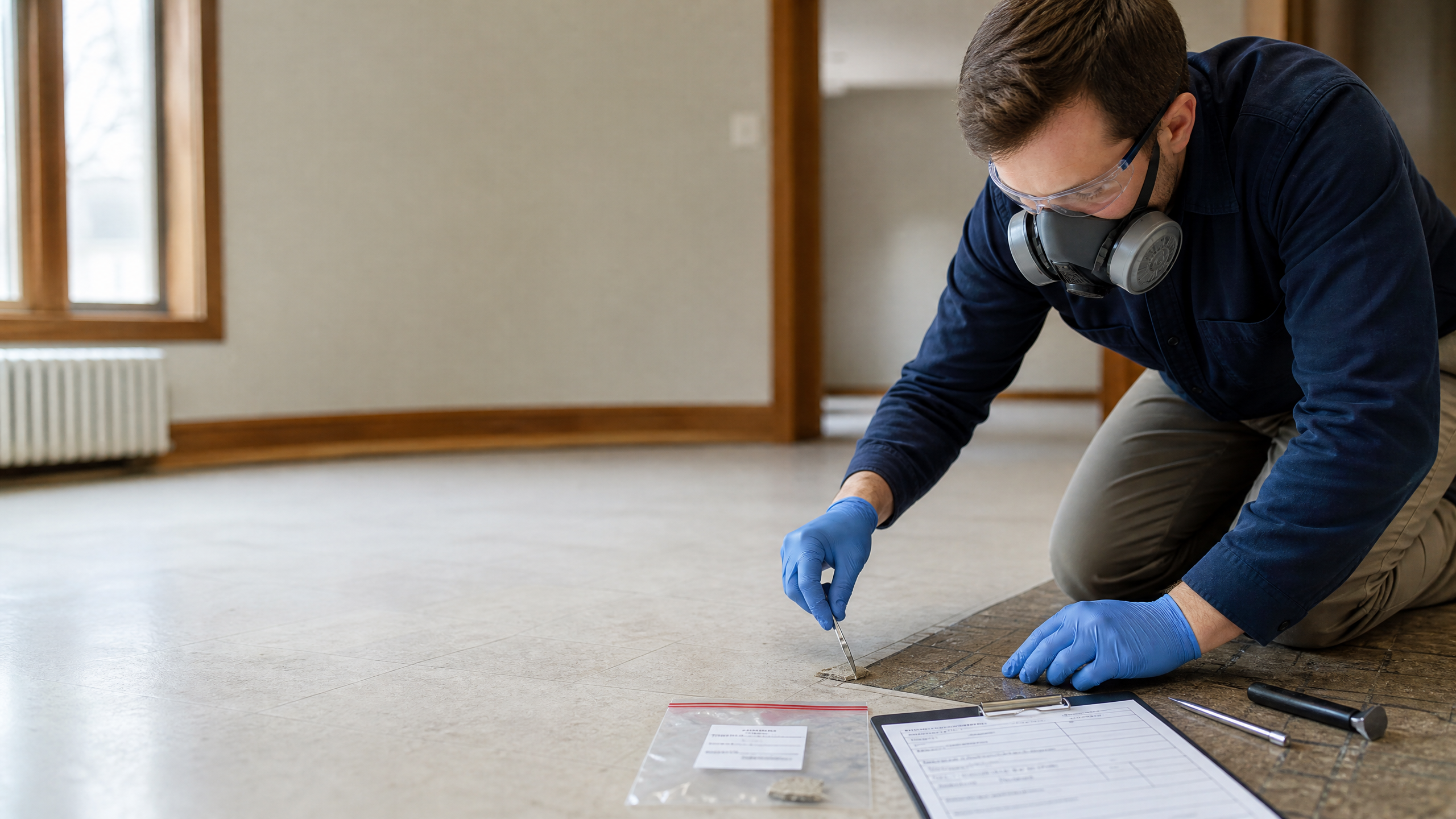
A certified Lead Inspector or Risk Assessor visits the property and tests painted surfaces using XRF or paint chip sampling.
Analysis
XRF results are immediate. Paint chip samples are submitted to an accredited lab with results in 24–48 hours.
Written Report
You receive a detailed report with all findings, component inventory, and regulatory guidance for your contractor.
XRF results are immediate. Paint chip lab results in 24–48 hours. Most projects scheduled within 24–48 hours of request.
Lead Testing FAQ
When is lead testing required in Michigan?
Michigan requires lead disclosure for the sale of pre-1978 homes, but does not require testing before sale. However, the EPA Renovation, Repair, and Painting (RRP) Rule requires contractors working in pre-1978 homes to follow lead-safe work practices. Many contractors require a lead inspection before beginning work to determine the scope of required precautions. HUD-funded renovation projects require a lead inspection or risk assessment before work begins.
What is the EPA RRP Rule and how does it affect my renovation?
The EPA Renovation, Repair, and Painting (RRP) Rule requires contractors who disturb painted surfaces in pre-1978 homes, child-occupied facilities, and schools to be certified and use lead-safe work practices. These practices include containment, HEPA vacuuming, and wet methods to minimize dust. A lead inspection before renovation helps your contractor determine which surfaces require RRP precautions, potentially reducing the scope of required containment.
What is the difference between a lead inspection and a risk assessment?
A lead inspection determines whether lead-based paint is present and where it is located. It identifies all painted surfaces and reports lead content. A risk assessment goes further — it identifies lead hazards including deteriorated paint, lead dust, and lead-contaminated soil, and recommends specific actions to control those hazards. Risk assessments are required for HUD-funded projects and are recommended when children under 6 live in the home.
What is clearance testing after lead abatement?
Clearance testing (also called clearance examination) is performed after lead abatement or lead-safe renovation work to confirm that the work area has been properly cleaned and lead dust levels meet EPA standards. A certified inspector collects dust wipe samples from floors, window sills, and window troughs. The samples are analyzed by an accredited laboratory. Clearance testing is required after EPA-regulated abatement and is strongly recommended after any renovation in a pre-1978 home.
How much lead paint is dangerous?
The EPA defines lead-based paint as paint containing 1.0 mg/cm² or greater of lead (by XRF) or 0.5% by weight (by laboratory analysis). However, any deteriorated lead-based paint or lead dust is a health hazard, particularly for children under 6 and pregnant women. Lead exposure causes irreversible neurological damage in children. There is no safe level of lead exposure for children.
Do I need lead testing before selling my home in Michigan?
Michigan law requires sellers of pre-1978 homes to disclose known lead-based paint hazards and provide buyers with the EPA pamphlet 'Protect Your Family From Lead in Your Home.' Testing is not legally required before sale, but many buyers request it. Testing before listing gives you accurate information to disclose and may prevent sale contingencies or price reductions during the buyer's inspection period.
Lead Testing Across Southeast Michigan
We serve all of Southeast Michigan. Call 586-330-0100 to confirm service availability in your area.
Not seeing your city? Contact us — we serve all of Southeast Michigan.
Protect Your Property & Health with Professional Testing
Contact us today for certified mold, asbestos, radon, and lead testing. Our environmental experts are ready to help ensure your indoor air quality is safe.